
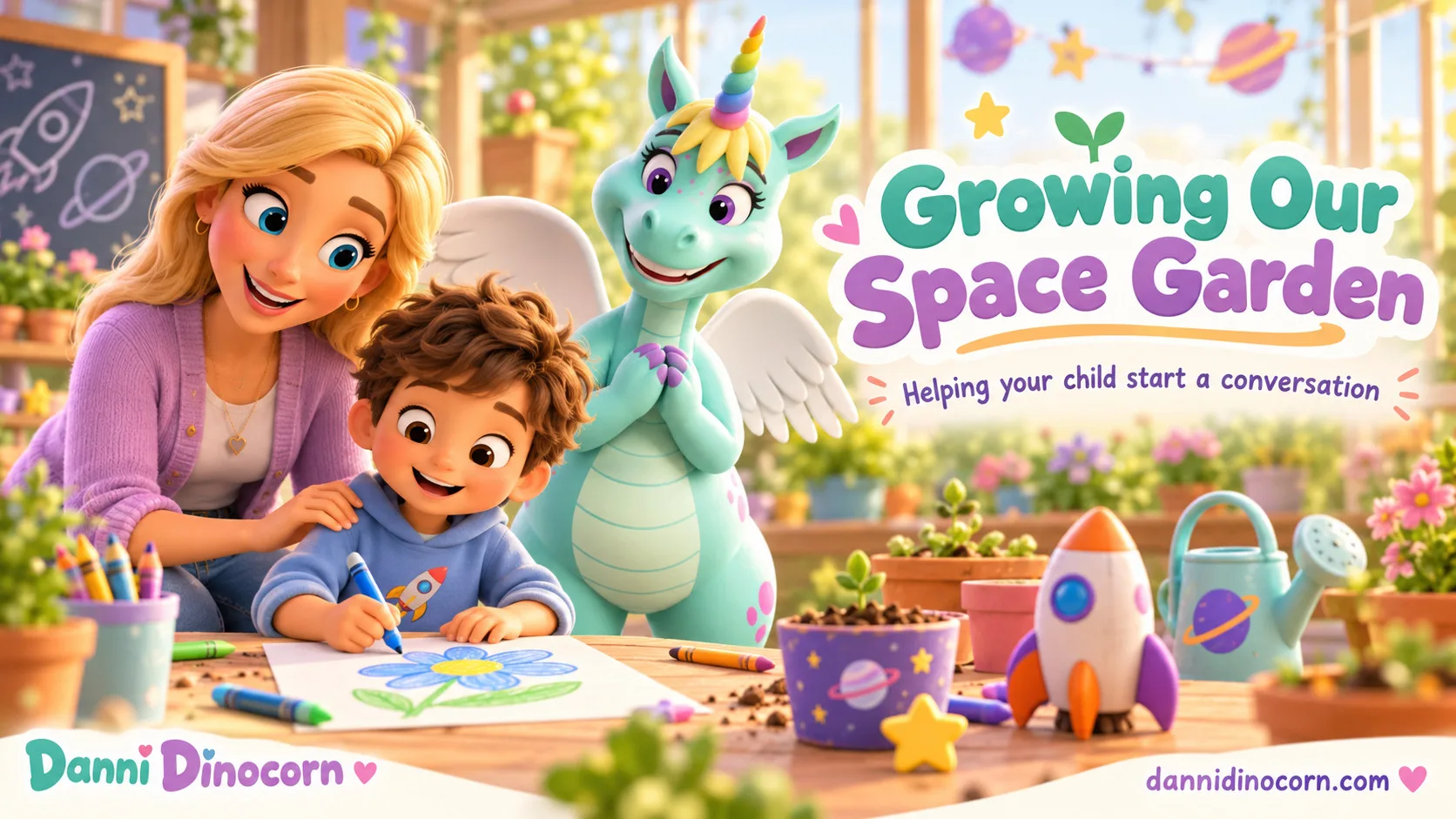
Help your child start a conversation with three playful steps: Notice, Ask, Share.
Help your child start a conversation with three playful steps: Notice, Ask, Share.

Parents can support children’s social development without taking over. Discover simple, everyday ways to guide friendship skills, emotional regulation and problem-solving.

Friendships bring joy and belonging, but they can also become complicated. Explore the developmental reasons behind common friendship challenges during middle childhood.
During middle childhood, friendships become increasingly important. Discover how cooperative play, shared rules and meaningful peer relationships help children develop empathy, social skills and a sense of belonging.
![Most of us are now well into the third term of the year, which means that assessments are just around the corner. As assessment season gets nearer, many children experience feelings of nervousness or anxiety. Some nervousness before a test is a natural part of being human. In fact, a little anxiety can sometimes help us prepare, stay focused, and perform at our best. While we cannot eliminate anxiety completely, there are some helpful habits that can make assessment periods feel more manageable. Let’s look at a few ways to navigate assessment season with greater confidence. 1. Find a Balance Preparing for a test or examination is important. However, some children may respond to worries about assessments by spending longer and longer hours studying. Sometimes, this can happen at the expense of sleep, exercise, family time, or other activities they enjoy. Finding a healthy balance between studying and resting may therefore be just as important as the studying itself. Practical ways to find balance: Encourage your child to make time for healthy meals, enough sleep, physical activity, time with loved ones, and enjoyable hobbies while studying. These everyday habits play an important role in managing stress and supporting overall well-being. 2. Don’t Let Frustration Grow When schoolwork becomes particularly difficult, it can be tempting to keep pushing through, even when frustration is building. However, when we are overwhelmed by frustration or stress, the parts of the brain responsible for attention, flexible thinking, and problem-solving do not work as efficiently. At these times, it may therefore be harder for your child to stay focused, think flexibly, and solve problems effectively. Practical ways to manage rising frustration: During early signs of frustration, encourage your child to take a short break. A few minutes of movement, a drink of water, or a healthy snack can help children manage their stress response. Spending time outdoors can also be especially helpful, as time in nature has been linked to improved mood and reduced stress. 3. Break Big Tasks into Smaller Steps Large study tasks can sometimes feel overwhelming. Breaking work into smaller, manageable pieces can make it easier to get started and stay motivated. Small successes along the way can help children feel more confident and keep going. Practical ways to take small steps: Instead of trying to study an entire subject at once, help your child break it down into smaller, more manageable pieces. For example, start with the subject, then focus on one chapter, and then a few pages at a time. Similarly, instead of learning 20 spelling words all at once, try practising five words at a time. 4. Focus on Progress, Not Perfection Some children may put a lot of pressure on themselves during assessment periods. They may feel that they need to know everything or achieve perfect results. Yet learning is a process, and mistakes are a natural part of growth. A test measures performance on a particular day – it does not measure a child’s worth, potential, or value as a person. Instead of striving for perfection, it may be more helpful to focus on effort, improvement, and perseverance. The words of Miley Cyrus’ “The Climb” reminds us that growth also happens during the journey, not only when we reach our destination. Practical ways to focus on progress: When offering praise as parents, try to celebrate the effort, strategies, and persistence that went into the outcome, rather than focusing only on the marks. In closing, as we look down from the mountain we have climbed and settle into the upcoming spring holiday, let’s take a moment to celebrate – our achievements, courage, effort, perseverance, and yes, even a blunder or two along the way. Because learning is not just about reaching the top. It is also about becoming stronger with every step along the journey. References Arnsten, A. F. T. (2009). Stress signalling pathways that impair prefrontal cortex structure and function. Nature Reviews Neuroscience, 10(6), 410–422. https://doi.org/10.1038/nrn2648 Cyrus, M. (2009). The climb [Song]. On Hannah Montana: The Movie. Walt Disney Records. Gilgoff, R., & Bhushan, D. (2023). Why kids act out: Tips to help your child cope with stress. HealthyChildren.org. https://healthychildren.org/English/healthy-living/emotional-wellness/Building-Resilience/Pages/why-kids-act-out-tips-to-help-your-child-cope-with-stress.aspx Mayo Clinic Staff. (2023, August 3). Stress relievers: Tips to tame stress. Mayo Clinic. https://www.mayoclinic.org/healthy-lifestyle/stress-management/in-depth/stress-relievers/art-20047257 Robson, D. A., Johnstone, S. J., Putwain, D. W., & Howard, S. (2023). Test anxiety in primary school children: A 20-year systematic review and meta-analysis. Journal of School Psychology, 98, 39–60. https://doi.org/10.1016/j.jsp.2023.02.003 Vanaken, G.-J., & Danckaerts, M. (2018). Impact of green space exposure on children's and adolescents' mental health: A systematic review. International Journal of Environmental Research and Public Health, 15(12), 2668. https://doi.org/10.3390/ijerph15122668 Vella-Brodrick, D. A., & Gilowska, K. (2022). Effects of nature (greenspace) on cognitive functioning in school children and adolescents: A systematic review. Educational Psychology Review, 34, 1217–1254. https://doi.org/10.1007/s10648-022-09658-5 Disclaimer: This blog is provided for psychoeducational purposes only. It is not intended to diagnose or treat psychological or mental health conditions and should not replace an individual assessment or professional advice from a registered healthcare practitioner.](https://dannidinocorn.com/wp-content/uploads/2026/08/ChatGPT-Image-Aug-12-2026-11_28_29-AM.webp)
Most of us are now well into the third term of the year, which means that assessments are just around the corner. As assessment season gets nearer, many children experience feelings of nervousness or anxiety. Some nervousness before a test is a natural part of being human. In fact, a

Wildfires. Armed conflict. Climate change. Earthquakes. These are only a few examples of the distressing events that regularly appear in the news.
Children’s emotional understanding and thinking skills are still developing. As a result, they may struggle to make sense of frightening events and may become worried, fearful, or anxious.

Many parents describe their child as a perfectionist. They may notice that their child becomes upset by small mistakes, spends excessive amounts of time on tasks, or avoids activities unless they feel certain they will succeed. While these behaviours can sometimes appear to reflect motivation or high standards, they may

As parents, our instinct is often to protect our children from discomfort. Watching a child struggle with anxiety can be difficult. Yet confidence is not built by avoiding anxiety. Confidence develops when children discover that they can cope with challenges, uncertainty, and uncomfortable feelings.