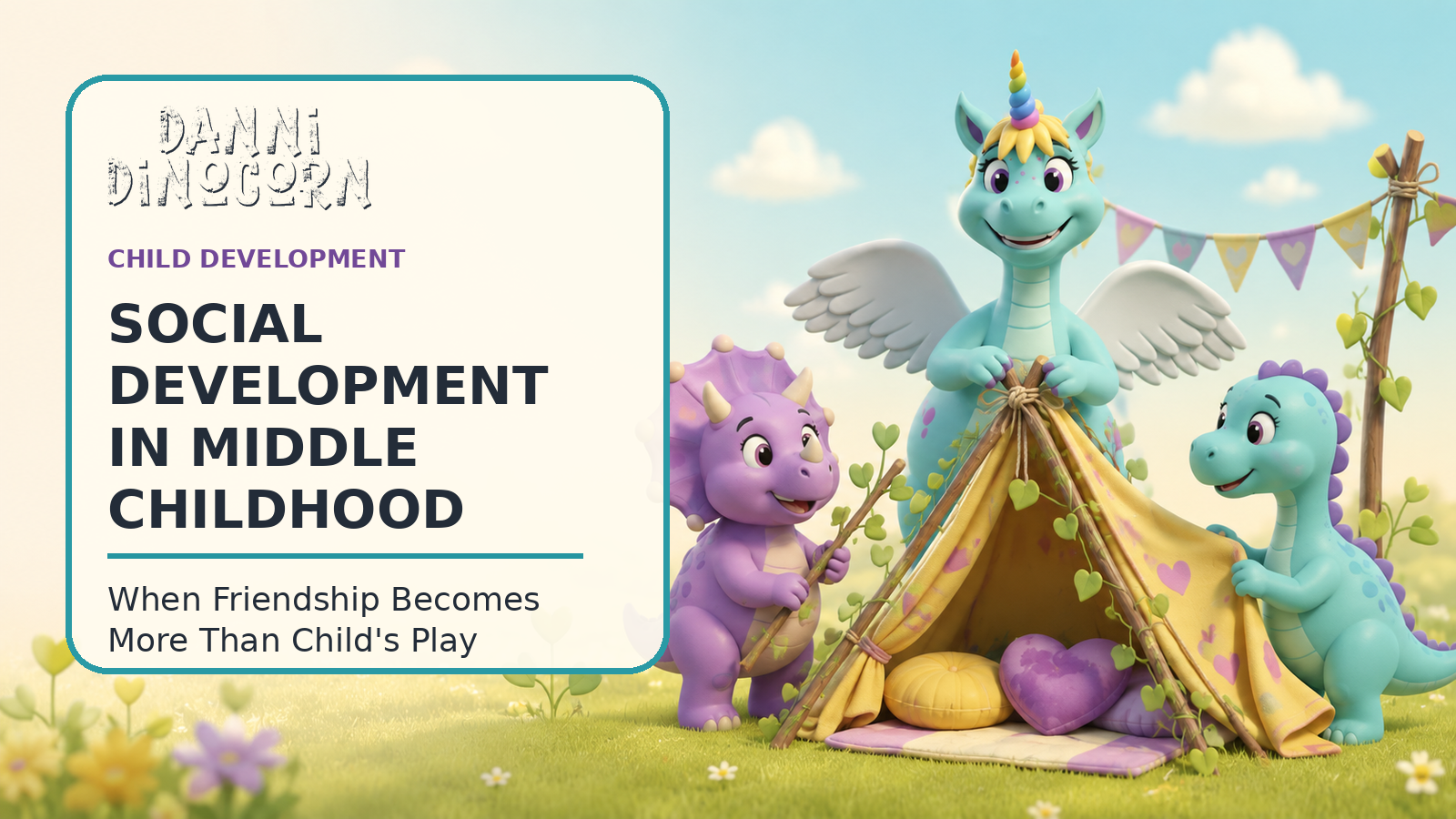
Group therapy offers children a powerful space to grow, connect, and learn. When children come together in a supportive group, they often realise they are not alone in their struggles. This sense of shared experience, what Yalom and Leszcz (2020) describe as the concept “universality”, helps reduce feelings of isolation and stigma. This allow children to feel understood and accepted. Research shows that group therapy can be just as effective and impactful as individual therapy (American Psychological Association, 2023).
In group sessions, children learn by doing. Guided by Kolb’s (1984) experiential learning theory, the group becomes a safe “practice space” where children can try out new behaviours, develop social skills, and build emotional awareness. Research indicates that group interventions improve self-expression, self-esteem, and emotional understanding (Karaman & Çetin, 2021; Moccia et al., 2023).
Children also learn from one another. As explained by Kazdin (2017), peer modelling and positive reinforcement play a key role in behaviour change. Seeing how others cope can help children to develop their own coping skills.
Ultimately, group therapy helps children build confidence, regulate emotions, and form meaningful connections which are skills that support healthy development and long-term well-being.
Finally, although group therapy is not intended to replace individual therapy, it can be a valuable, research-based approach to supporting children’s well-being, particularly when children are not only told what to do, but are also given ample opportunities to experience and practise skills for themselves.
References
American Psychological Association. (2023, March). Group therapy is as effective as individual therapy, and more… Monitor on Psychology. https://www.apa.org/monitor/2023/03/continuing-education-group-therapy
Karaman, A., & Çetin, O. (2021). The effect of cognitive behavioral group therapy on children’s self-esteem, self-expression, and emotional assertiveness. Psychiatry and Behavioral Sciences, 11(4), 226–233. https://pmc.ncbi.nlm.nih.gov/articles/PMC8617969/
Kazdin, A. E. (2017). Behavior modification in applied settings (7th ed.). Waveland Press.
Kolb, D. A. (1984). Experiential learning: Experience as the source of learning and development. Prentice-Hall.
Moccia, L., Somma, R., Cicia, F., Giordano, M., & Vitiello, B. (2023). Group therapy to promote adolescents’ mental health: Clinical and research perspectives. Psych, 5(4), 57. https://www.mdpi.com/2673-7051/5/4/57
Yalom, I. D., & Leszcz, M. (2020). The theory and practice of group psychotherapy (6th ed.). Basic Books.