In child therapy, psychologists often use playful “co-therapists” such as puppets or characters to help children feel safe and at ease. Play is the natural language of children, and it is often through play that children express their experiences, thoughts, and feelings (Virginia Axline, 1947). A character can help to express difficult emotions indirectly, which feels less overwhelming and makes children more willing to participate.
This type of symbolic play also creates a bridge for communication between the child and the therapist, and helps children to explore new ways of thinking and doing. According to Garry Landreth (2012), play supports children’s emotional processing and the development of self-regulation skills.
It is important that this approach is used intentionally and ethically. The focus always remains on the child’s well-being, development, and the learning of age-appropriate skills within a safe, supportive context.
The development of Danni as a co-therapist in the Danni Dinocorn group programmes
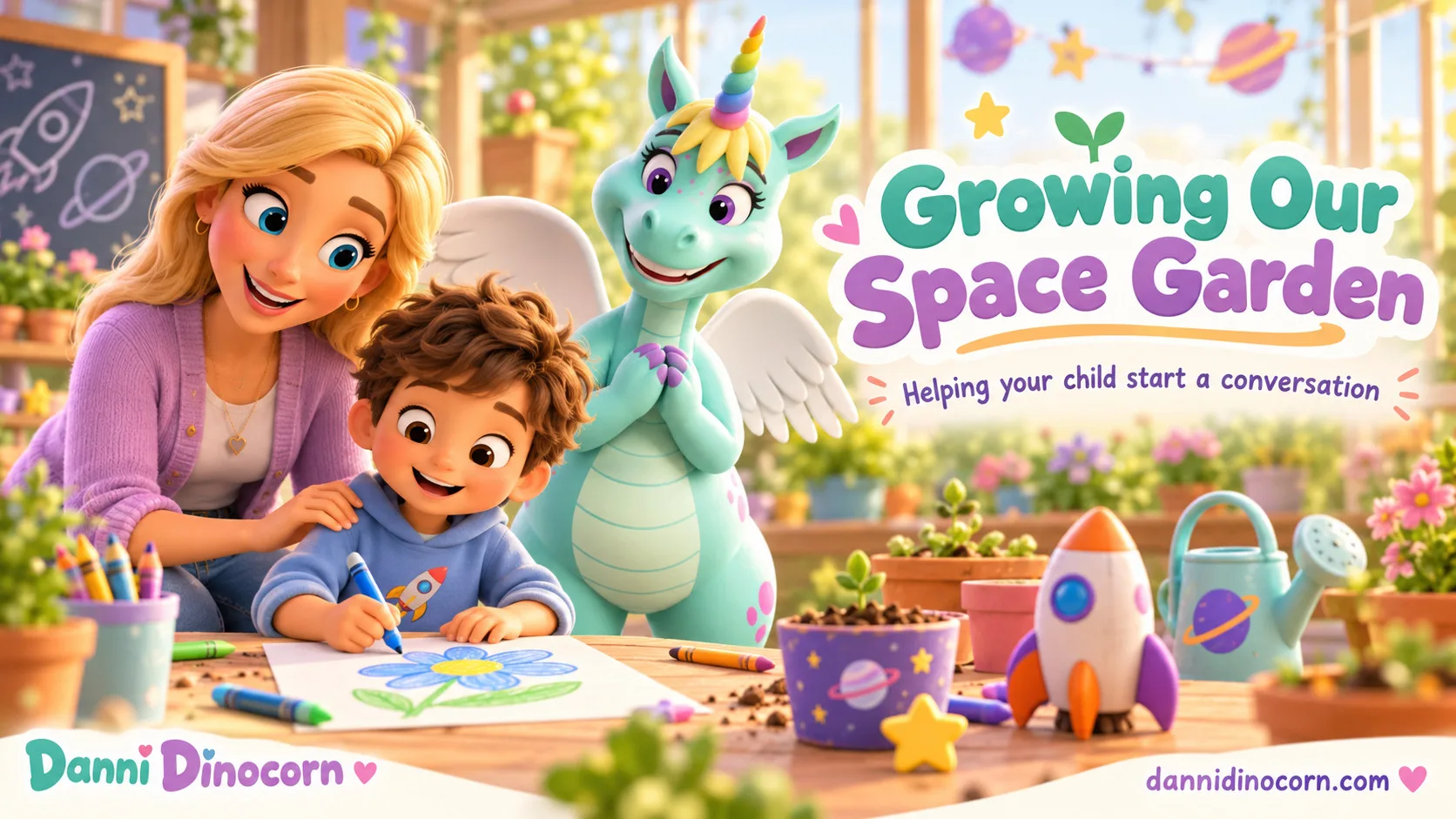
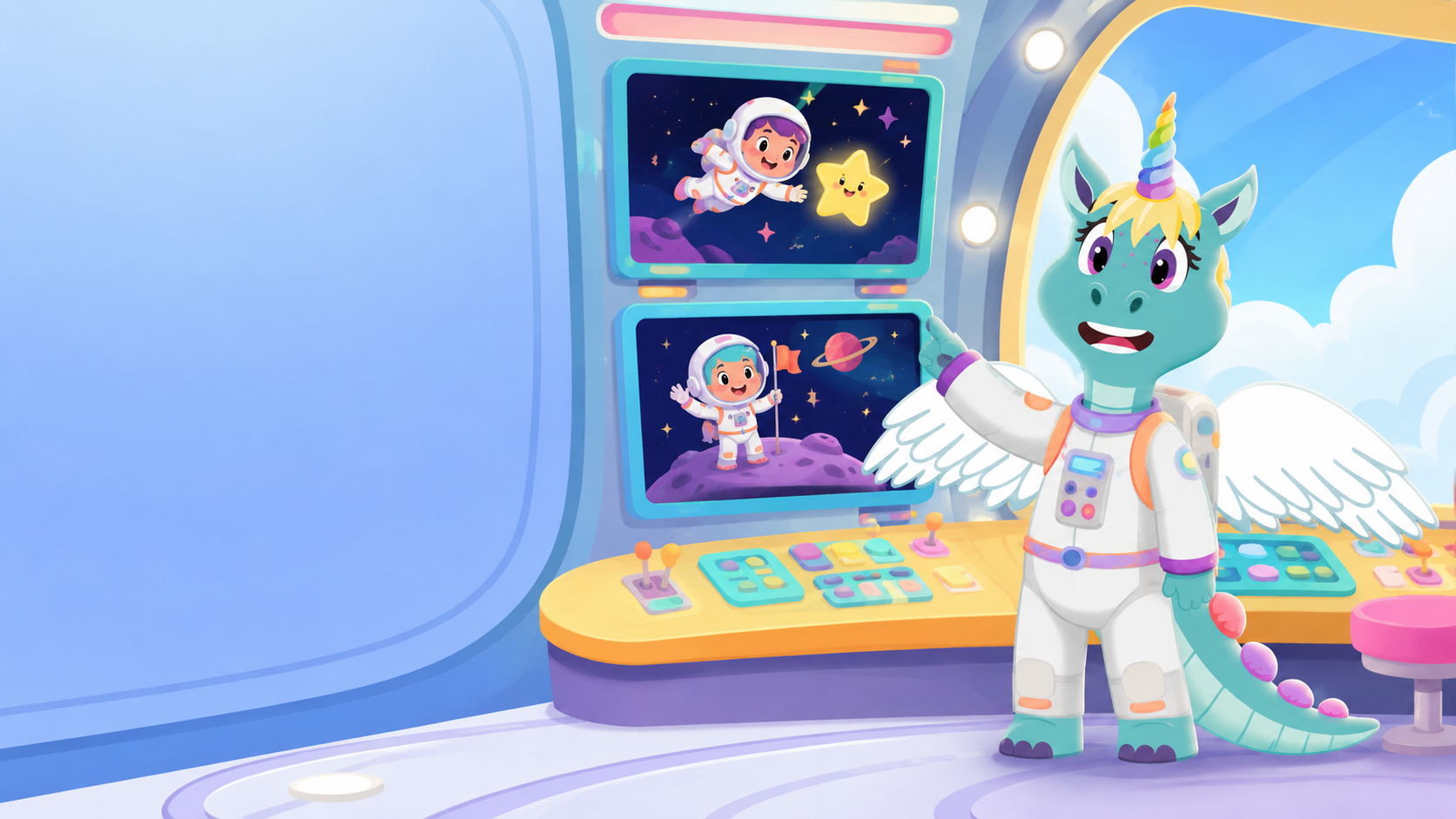
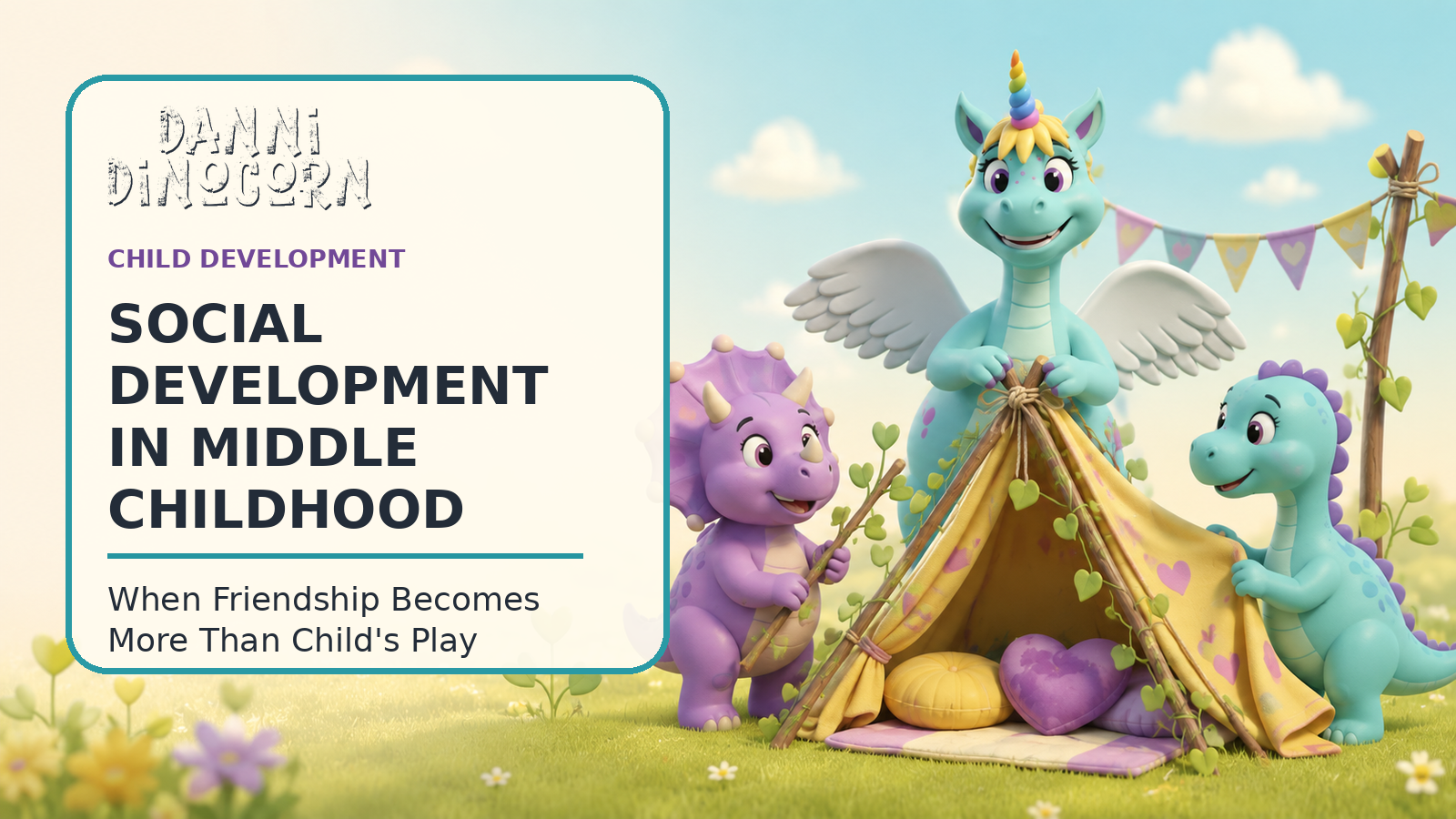
Danni Dinocorn is an imaginative character – a playful combination of a dinosaur and a “unicorn” – that was intentionally created by Lucie Grové and Jemona Taylor to be accessible to children of different ages and backgrounds. As part of the group programme, Danni serves as a “helper” or co-therapist who helps the therapeutic space feel more child-friendly and safe. Through this playful element, it becomes easier for children to participate and to explore new skills together with others, within a supportive and structured environment.
References
Axline, V. M. (1947). Play therapy. Houghton Mifflin.
Landreth, G. L. (2012). Play therapy: The art of the relationship (3rd ed.). Routledge.